A river connects places and people whose paths may never otherwise cross. Understanding those connections starts with the everyday life beside the water.
Begin beside the water
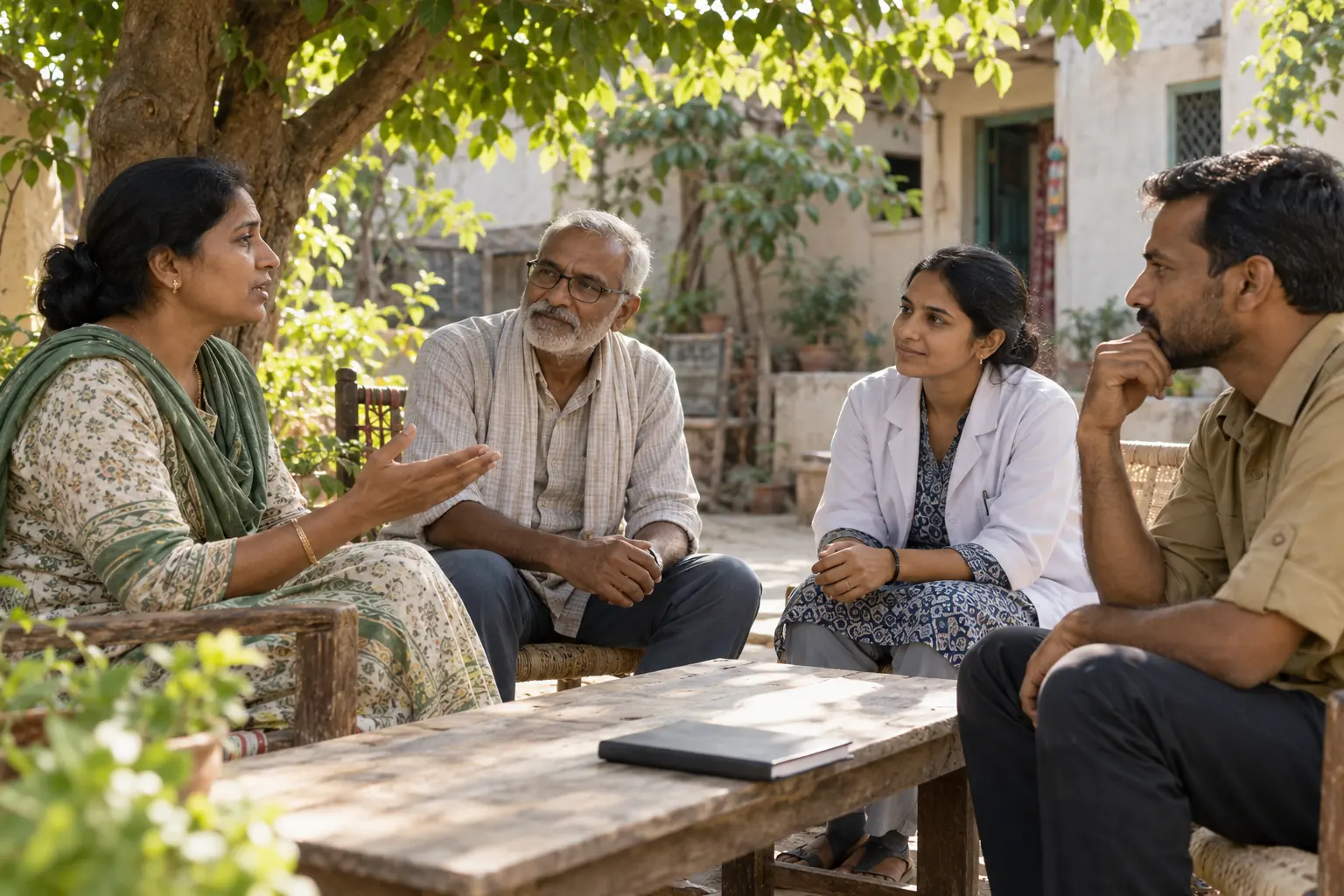
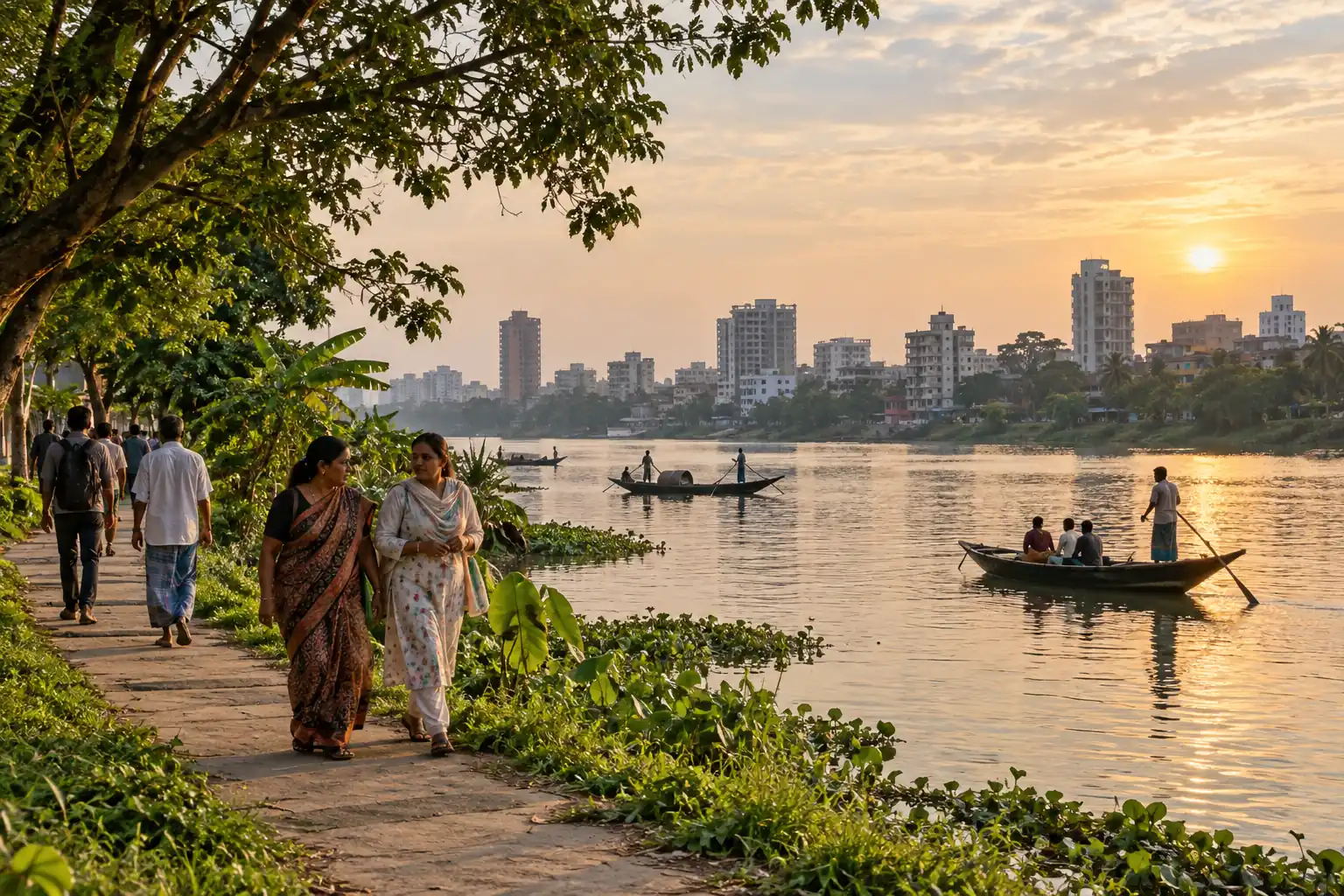
A river can be part of an ordinary day long before it becomes part of a climate conversation. It may be a route, a place of work, a view from a bridge or a boundary between neighborhoods. Start with the people who know that place and ask what they notice.
Their answers may concern different things. One person might speak about access to the bank; another about a routine journey or the work associated with the water. A writer can keep those observations distinct rather than making them all support a conclusion chosen in advance.
Follow the connections
The useful question is not simply what a river represents. It is what people do beside it, how their activities connect and what evidence would help explain a change they have noticed. Specific accounts should remain tied to their sources and context.
The organization’s One River project explores connections between water, wildlife and livelihoods through clearly labelled storytelling. A Journal contribution could approach a related question through a different, evidenced perspective. It would need to be checked against the existing project record before being described as a new contribution.
Leave room for uncertainty
An observation of a change is not a complete explanation of its cause. Ask what else is known, where evidence comes from and what remains uncertain. Avoid assigning every problem near water to the same mechanism or presenting an illustration as a documented event.
A responsible article can name the limits of its account. That gives readers a way to assess the story and understand the next question, rather than mistaking a compelling scene for all the evidence that is needed.
A question worth sharing
What does a familiar place make visible once the people connected to it can speak for themselves? Begin there, with informed consent and a clear purpose for the story. The next step should grow from the account, not be imposed on it.
The Journal’s role is to help a contributor explain that connection clearly, keep sources visible and offer an appropriate response or question for the reader. It is a shared editorial process with a clear author credit at the end.