
The everyday route
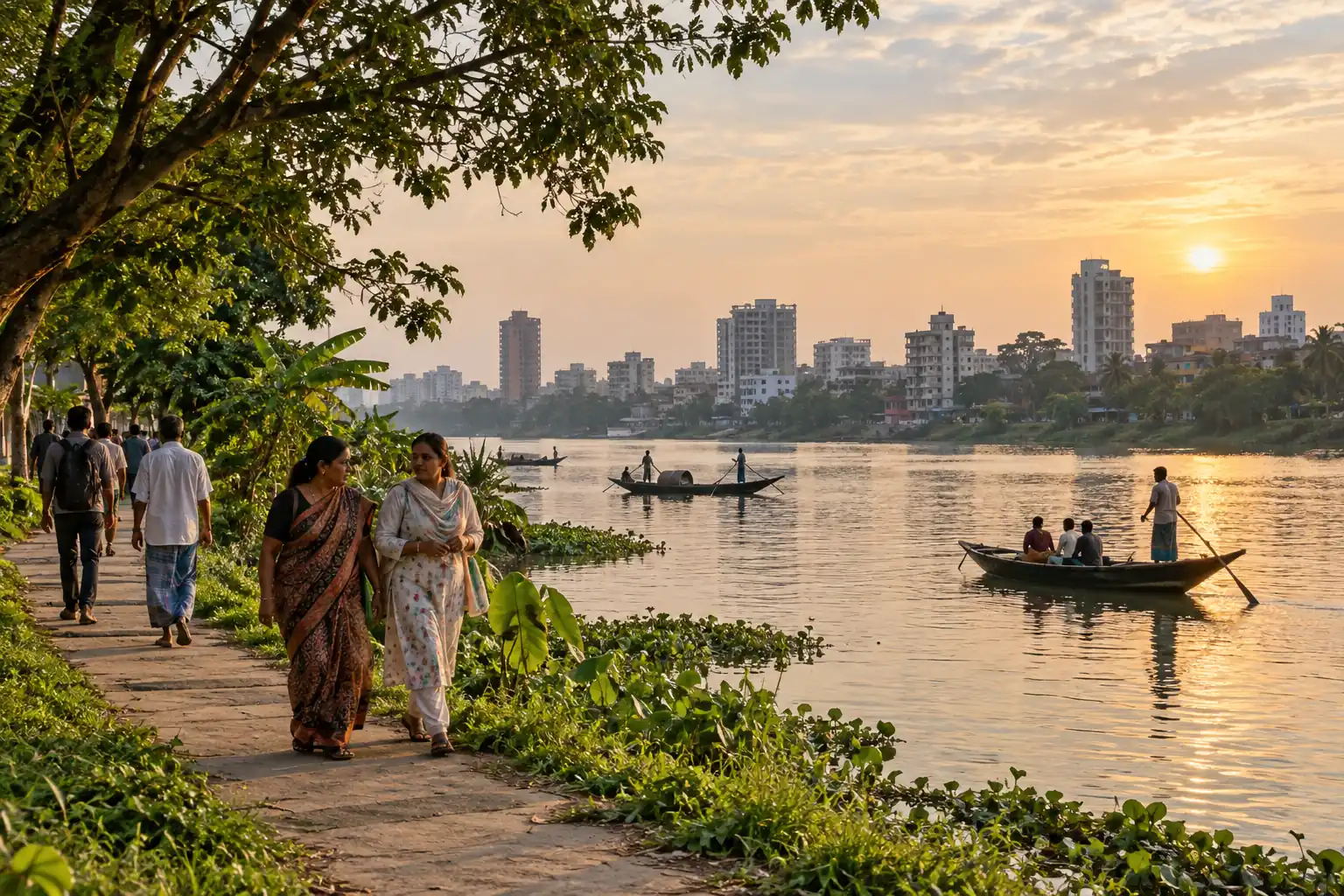
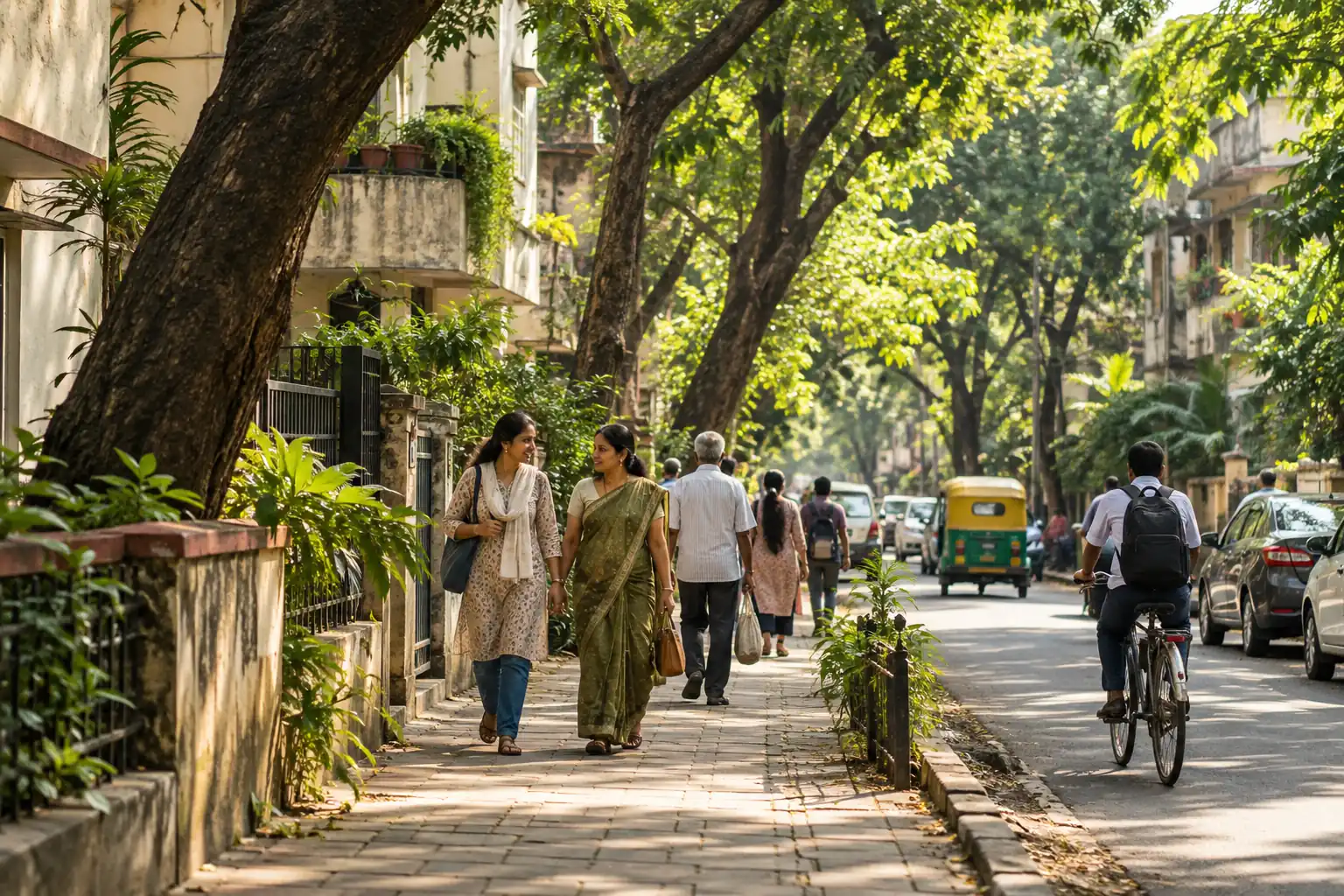
The same street can feel very different depending on where the shade falls. Looking closely at an ordinary journey can open a bigger conversation about the places we share. Start with the route itself: the walk from a front door to a bus stop, a market, a school or a place of work.
Notice where a person can pause, where the pavement narrows, and where a tree shelters more than the space immediately around its trunk. A useful story might begin with one such observation. It should be specific enough for a reader to picture the situation, without pretending that one walk describes an entire city.
There is a difference between noticing something and knowing why it happens. A shaded corner might invite a question about how a street was designed. It does not, by itself, establish a measured temperature difference or prove what every passer-by experiences. The observation is a beginning: something to ask about, record carefully and understand with other people.
Who has a choice?
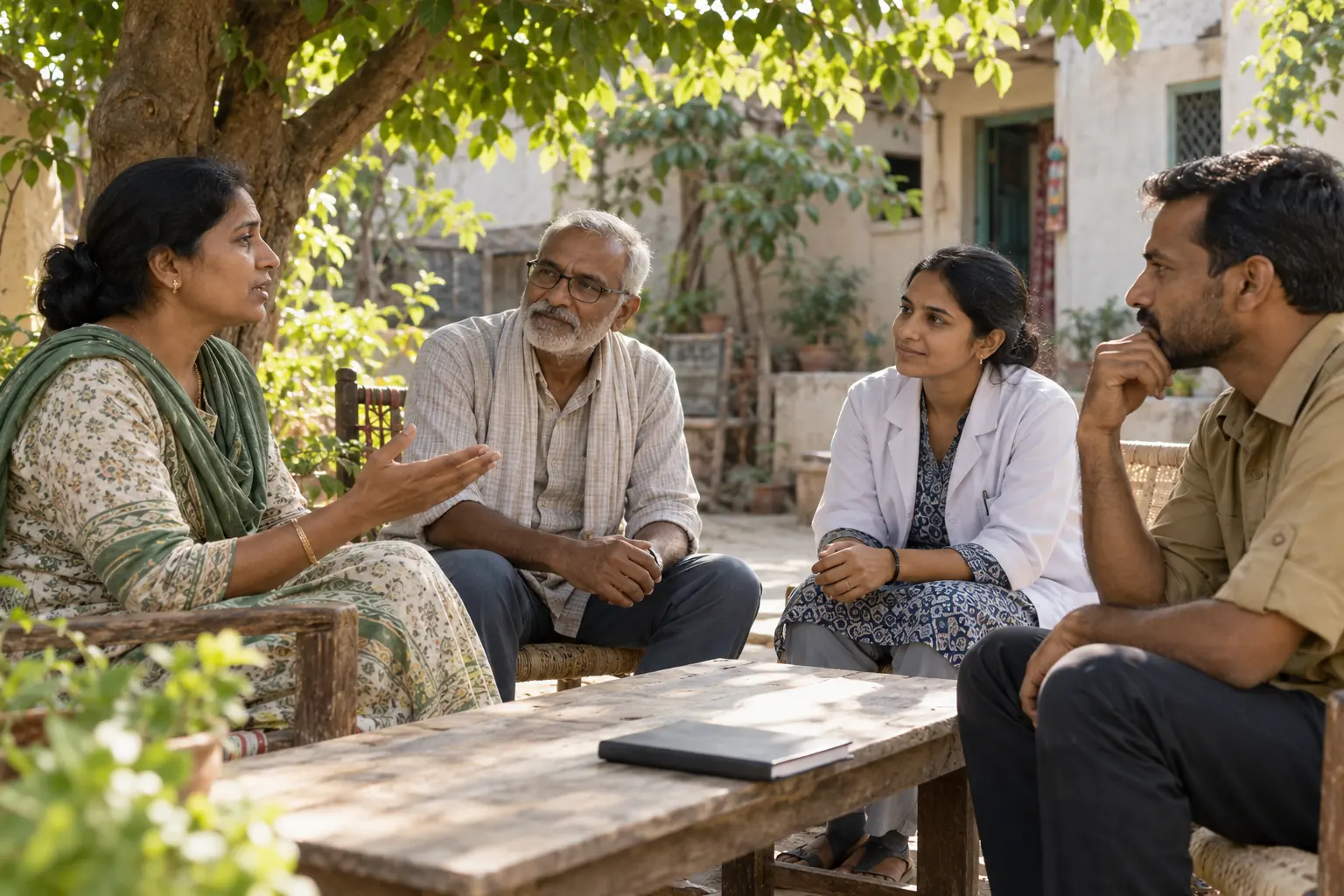
A conversation about a route also needs to include the people using it. Someone who can change their departure time may describe a different experience from someone whose work starts at a fixed hour. A person carrying goods, accompanying a child or waiting for transport may notice details that a visitor misses.
The writer’s task is to make room for those differences. Ask people how they describe their journey. Explain what will be written and how their words might be used. Let them choose what they want to share, and avoid turning an individual account into a claim about a whole neighborhood.
This is where the climate connection becomes a human question about public space. It concerns the conditions in which daily activities take place and the choices people actually have. A thoughtful article can keep that question open while looking for reliable evidence and relevant local context.
A shared response
An article does not have to solve a city’s problems to be useful. It can make an overlooked question visible, connect an observation to the people responsible for a place, or help readers understand what more would need to be known before choosing an intervention.
Be concrete about a proposed response. If the discussion turns to trees, ask who would care for them, what space is available, and whose access needs to be considered. If it turns to waiting areas or walking routes, ask who uses them and what constraints shape the choices. Do not promise an outcome simply because a proposal sounds greener.
Individual attention and shared responsibility belong in the same conversation. A resident can notice a problem and help describe it. The people managing public space may hold different responsibilities, resources and information. An honest story makes those roles understandable rather than asking one person to stand in for an entire system.
What to look for next
Choose one familiar route and one question about it. What changes along the walk? Where do people stop? Whose perspective have you not heard? Keep the observation separate from assumptions, and return to the question with people who know the place well.
The next step might be a conversation, a more careful account of the route or a request for information. It should follow from what the article actually establishes. A clear question can be a useful contribution when its context, evidence and limitations remain visible.
For the Journal, that is the connection between awareness and action: help the reader see an everyday situation more clearly, understand why it matters, and recognize a realistic way to participate. The author’s voice stays present, while the evidence and the people behind the story remain visible too.