
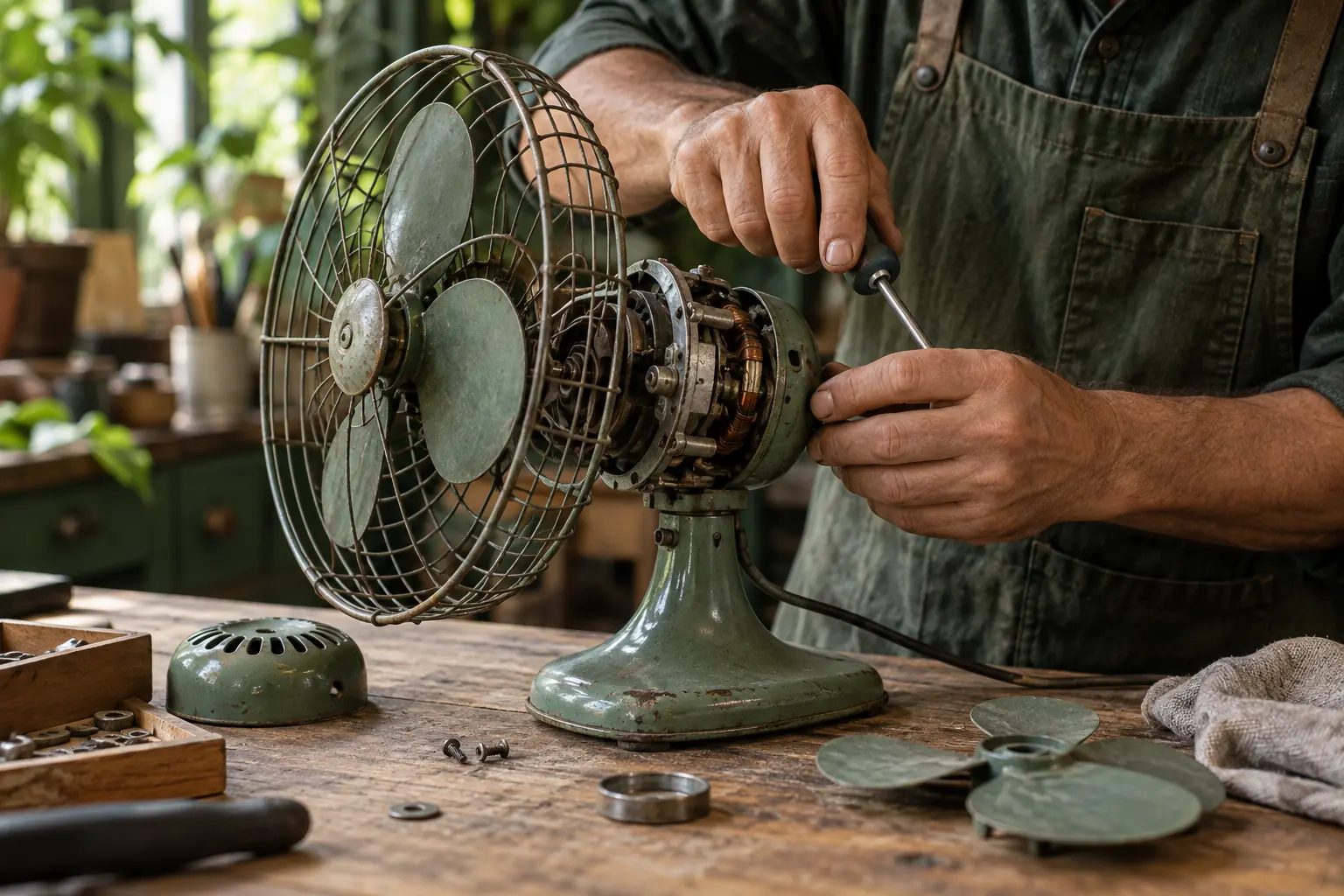
Keeping an object in use begins with a practical question: what would it take to make it useful, safe and wanted again?
Start with a real need
Before deciding what should happen to an object, ask what it is used for and what has stopped working. A proposal to keep something in use needs to be connected to an actual need, not only an attractive picture of reuse.
There may be missing information about materials, spare parts, skills or safety. Naming those constraints makes a story more useful. It also helps distinguish a practical account from a promise that any broken object can be repaired in the same way.
Ask what repair would involve
Who could assess the object? What would they need to know? Is a repair service available, and what questions would the owner need answered? A contributor can explain a real process when they have the evidence and permission to do so.
The article should not encourage readers to take apart unfamiliar equipment based on an illustrative image. Practical guidance needs an appropriate source and a clear explanation of its limits. The existence of a second use is not, on its own, a measured environmental benefit.
Keep the lesson specific
A useful reflection might concern a decision, a barrier or something learned from a documented experience. It should make clear what happened, what the writer knows and what another reader could reasonably take from it.
The existing Stories section includes a source-based guide to the waste hierarchy. A contribution on a related subject needs a distinct question or additional evidence and an honest relationship to that earlier work.